
The Best MyFitnessPal Alternatives in 2026
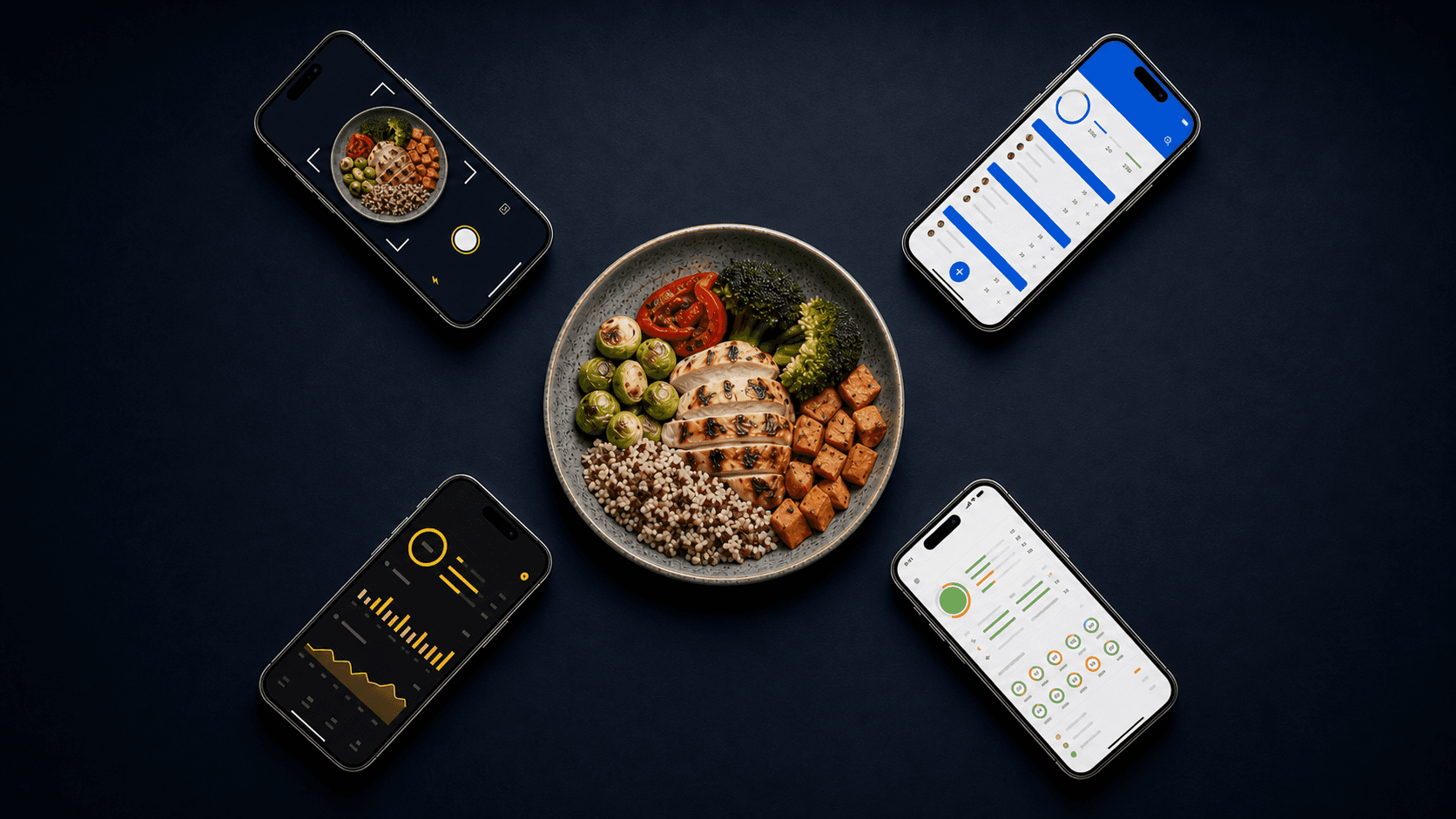
If MyFitnessPal has started to feel harder to use, you're not alone. Here's what people are switching to and why.
For nearly two decades, MyFitnessPal (MFP) was the default answer to "which calorie tracker should I use?" It had the biggest food database, the most integrations, and enough users that recommending it was the safe choice. For a lot of people, it worked.
Lately, though, the conversation has shifted dramatically. Spend any time in fitness subreddits, app store reviews, or nutrition communities and you'll see consistent themes from longtime MFP users: recent redesigns have made logging slower, features they relied on have moved behind the paywall, and the app now feels more like a sprawling wellness platform than the simple food diary they grew to love (https://www.reddit.com/r/Myfitnesspal/comments/1pfu7tg/myfitnesspal_has_become_unusable_what_is_the/ https://www.reddit.com/r/EatCheapAndHealthy/comments/1hv8id2/my_fitness_pal_alternative/ https://www.reddit.com/r/Myfitnesspal/comments/1ssnmld/heres_everything_thats_new_at_myfitnesspal/. Whether or not that matches your experience, the question "what should I switch to?" has become one of the most common questions in these communities.
Before we get into the list, a quick disclosure: we make Calorik, one of the apps below. We think it's the best option for a specific kind of user (and we'll tell you exactly which kind) but we've also tried to be honest and fair about where other apps excel. If you leave this page using another app because it fits you better, we’ll be genuinely happy for you.
Now, here’s our list of the strongest alternatives worth trying in 2026.
1. Calorik: Best for people who want fast, friction-free logging
Calorik is built around the simple premise that logging food should take seconds, not minutes. While most calorie trackers have accumulated features over the years, we've focused on reducing the number of steps between opening the app and recording a meal.
The majority of calorie counting apps still assume the same basic ritual: search a database, pick an entry, adjust the serving size, repeat for each item. With Calorik, you can log by snapping a photo of your plate, by voice ("two scrambled eggs and a slice of buttered wheat toast"), or by typing a quick description. There's no wading through menus or hunting for where your daily totals went. This turns what was a two-minute chore into a ten-second habit. You open the app, log what you ate, see your numbers, and get on with your life.
What it does well
Multiple ways to log (photo, voice, or text description) all designed to take seconds
Great for home cooked meals or anything that isn’t pre-packaged since you can easily describe whatever it is you’re eating
No hunting and picking for ingredients
Clean, uncluttered interface with the daily food log front and center
Favorite frequent meals and log them in a few taps
Search any meal you’ve previously logged and log it again
Track your nutrition and weight in a beautiful trends dashboard
Worth knowing
iOS only; there is no Android version yet.
Subscription-based with no free tier, though pricing is straightforward and core features aren't gated behind premium tiers
No barcode scanner, but you can take photos of food labels (which aren't ground truth anyway; US regulations allow calorie declarations on labels to be off by up to 20%)
Like any tracking method, AI estimates carry some variance, especially on complex dishes, but these differences tend to average out over time and have minimal negative effect
Calorik is the right fit for people who want calorie tracking to feel easy. If tracking has become a chore, Calorik is the most direct fix.
2. MacroFactor: Best for data-driven users who want coaching
MacroFactor has a strong following among people who care deeply about the numbers: macro targets, trend-based calorie adjustments, and long-term data. It's built by a team with a strength sports background, and it shows in the depth of the nutrition analytics.
Its standout feature is a dynamic calorie algorithm that adjusts your targets based on your weight trend rather than static formulas. If you've ever been frustrated that your calorie budget stopped working after a few months, MacroFactor is worth paying attention to.
What it does well
Adaptive calorie and macro targets based on your actual progress data
Clean, well-designed interface (one of the better-looking apps in the category)
Strong community and a transparent development team
No ads
Worth knowing
Subscription required; no permanent free tier
The coaching features add complexity that isn't for everyone
Better suited for data-driven people
3. Cronometer: Best for micronutrient tracking
Cronometer is the go-to choice for people who care about more than calories and macros. It tracks an unusually detailed set of micronutrients (such as vitamins, minerals, amino acids) which makes it particularly useful for people managing specific health conditions or following restrictive diets.
Cronometer’s food database leans heavily on verified sources rather than user-submitted entries, so the numbers are generally more reliable than what you'd find in a crowdsourced database. That reliability comes at the cost of some database breadth.
What it does well
Arguably the most comprehensive micronutrient tracking available in a consumer app
High data accuracy through verified entries instead of user submissions
A free tier that's genuinely useful
Great for people with dietary restrictions or medical nutrition needs
Worth knowing
The interface is functional but not the most intuitive for casual users
Overkill if you're primarily tracking calories and a handful of macros
Less social and community-oriented than other options
4. A notes app or spreadsheet: Best if apps keep failing you
This one belongs on the list because it's honest. If you've tried multiple tracking apps and abandoned all of them, the problem might be that the app format doesn't fit how you actually think about food.
A notes app or simple spreadsheet gives you complete control over what you track and how. No interface to learn, no subscription, and no redesigns. Some people find that removing the app entirely is what finally makes tracking stick.
It's not for everyone. But it's worth considering as a viable option rather than assuming the answer is always another app.
The bottom line
The right calorie tracker is the one you'll actually use consistently. Tracking frequency matters far more than tracking precision. An app you log in six days a week will always be more effective than a perfect app you open twice.
Whatever you choose, the goal should be the same: spend less time thinking about the app and more time understanding what you eat.

